A 2 TB drive followed me through fifteen years of moves with one folder I could never throw away: the complete toolbox for flashing Xbox 360 optical drives. This is that craft, finally sorted, documented, and shared, with a credited write-up for every tool and every person who built it.
The Xbox 360 would not read a disc you burned yourself, even a perfect copy of a game you already owned. The optical drive kept hidden signatures and checked every disc against them, and it kept its own identity, including a unique key, locked behind a vendor-only mode.
The clever part is where the fix had to live. You could not do it in software on the console. You had to convince the drive itself: wire it to a PC, coax it into vendor mode, read the raw firmware off its flash chip, extract the drive's personal key, graft that key onto a modified firmware image, and write the whole thing back. One wrong step and you had a brick. One right sequence and the machine happily booted the backup on the shelf beside it. This was hardware people learning a closed system down to the byte.
I was a careful, busy user of other people's brilliance. This work was done, mostly for free and mostly anonymously, by a handful of remarkable developers. The whole point of preserving it is to keep their names attached to it.
The modified drive firmware the entire thing depended on. For years the scene waited on "c4eva speaks" before every major release.
Turned a genuinely dangerous low-level process into something a careful person could run at a desk, with real documentation.
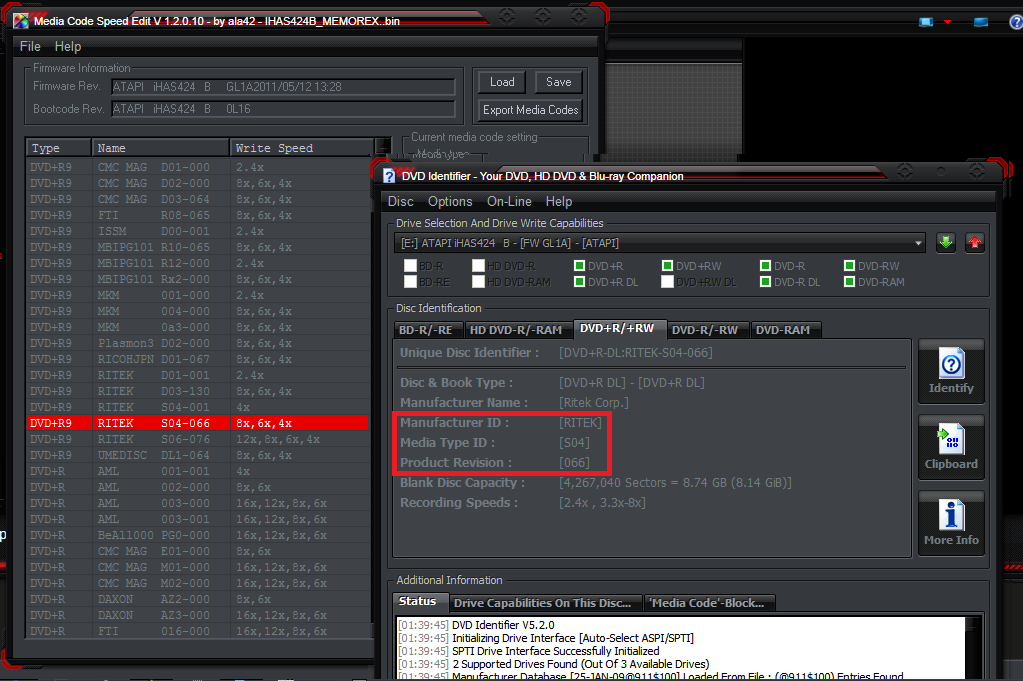
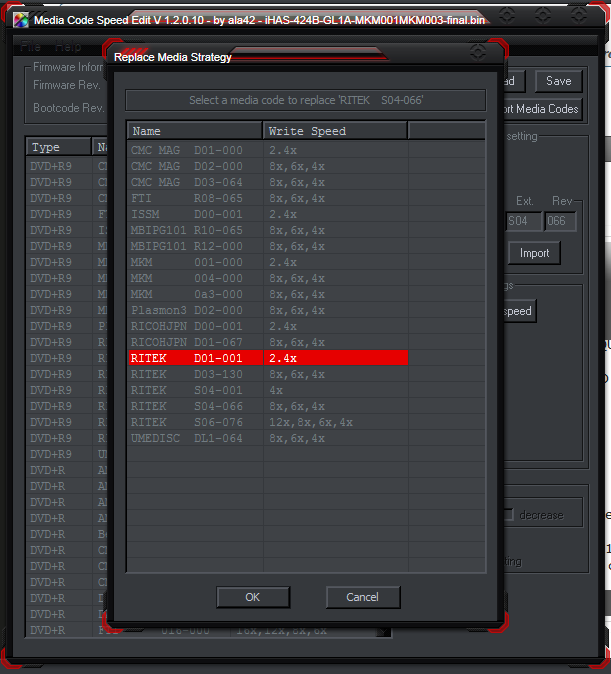
Rewrote a burner's firmware per media code, quietly making cheap discs burn as cleanly as expensive ones.
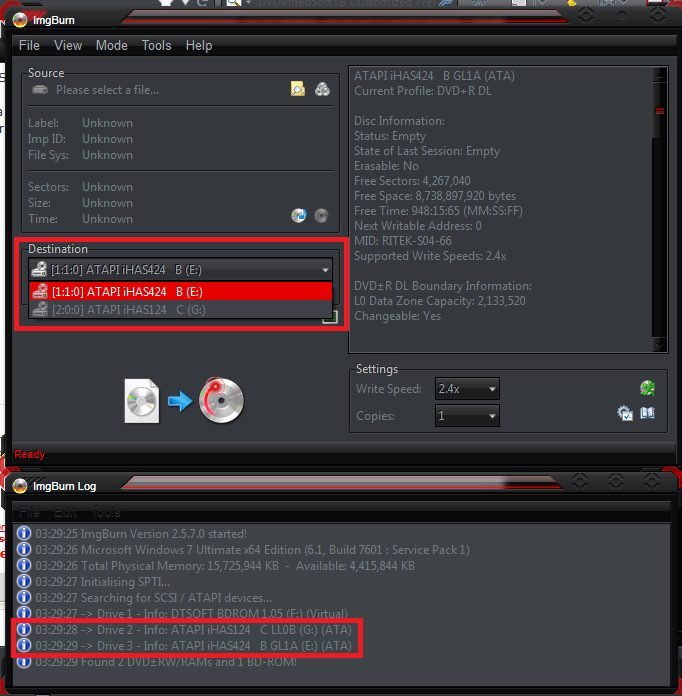
Not an Xbox tool at all, simply the best disc burner ever written, and the one every one of us used.
Unlocked Lite-On iHAS burners to write the oversized XGD3 topology that shipped after 2011.
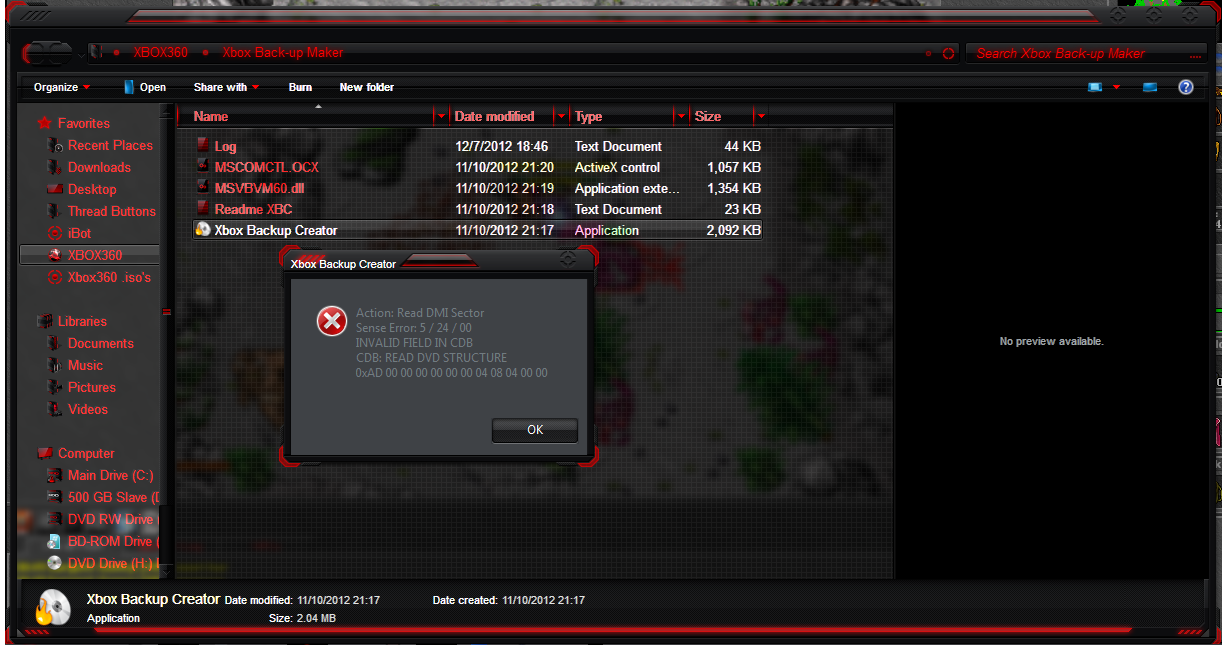
Verifying and repairing disc images, and exploring the console's own storage. The supporting cast that made it all reliable.
Beyond flashing my own consoles, I did two things at real volume. I flashed my own PIC microcontrollers with rapid-fire firmware, wired up complete modded controllers, and sold them for around $150, and I supplied the wire and diodes so people could build their own kits. And I was one of a small number of people doing wireless controller RF-board LED modifications on eBay, little boards that went for about $25. I sold close to 500 of them.
This toolchain came out of the console homebrew scene: people reverse-engineering how the hardware worked and sharing what they found on forums, one thread at a time. Most of those forums are gone now, and the tools with them. This archive keeps them, and the developers who made them, on the record.
The full story of how all of this worked, and the archive itself, are open for anyone who loved this craft.
Read the full story Browse the archive on GitHub